

Grassroots to Gallery: Why Artist-Run Centres Matter More Than Ever
Canada’s artist-run centres (ARCs) are more than just exhibition spaces – they are creative ecosystems. Established in the 1960s and 70s as a response to the exclusionary practices of mainstream galleries and institutions, ARCs emerged from a need for artists to create their own platforms, on their own terms. Today, these centres remain vital to the national arts landscape, supporting experimentation, equity, and community-driven creation across disciplines.
Whether you’re a seasoned artist, a student, or someone curious about how art gets made and shared, here’s how artist-run centres continue to shape the future of contemporary art in Canada.
1. Artist-First Values: Created By and For Artists
ARCs flip the traditional gallery model. They are governed by artists, for artists, which means priorities are set from the ground up. Decisions around programming, fees, and community engagement often reflect values of inclusion, equity, and experimentation over commercial success or institutional prestige.
Why it matters: Artists are given space to take risks, explore new media, and address complex ideas, without being asked to water it down or change subject matter for mass appeal or sales.
2. Equity, Inclusion, and Community Engagement
From the beginning, artist-run centres have led the way in supporting underrepresented artists. Whether that means emerging creators, Indigenous artists, Deaf and disabled artists, racialized communities, or those working in non-traditional or socially engaged practices, many ARCs champion accessibility and develop programming that invites participation from local communities.
Example: Programs that incorporate ASL interpretation, vibro-tactile exhibitions, community workshops, or partnerships with social organizations to broaden engagement.
3. Sites of Experimentation and Professional Development
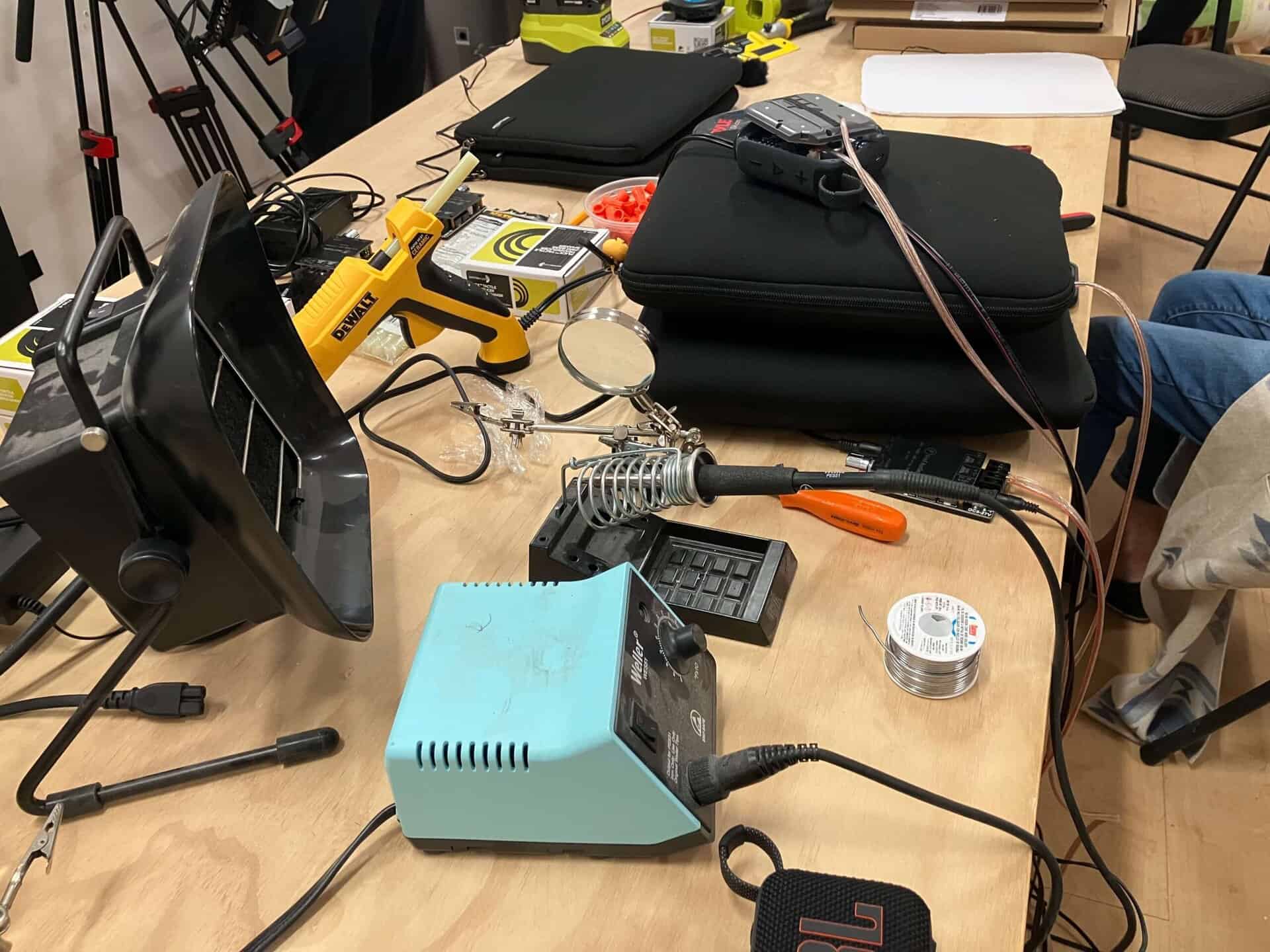
ARCs are excellent testing grounds for new ideas! Artists are given time, space, and resources to develop works in progress, not just show finished pieces. Residencies, mentorships, and studio equipment access foster creative growth, while critique sessions, curatorial guidance, and group exhibitions build confidence and career momentum.
Bonus: Many artist-run centres also help artists navigate professional logistics such as grant writing, contracts, fees, and exhibition prep.
4. Regional and Cultural Diversity
With over 100 artist-run centres spread across provinces and territories, each ARC reflects the character of its region. From Nunavut to Montreal to rural B.C., these centres act as cultural hubs that respond to local issues while contributing to national conversations. Together, they form a decentralized, polyvocal network of art-making in Canada.
5. Collective Sustainability and Advocacy
Artist-run centres aren’t just about individual practice – they help build collective strength. Many are part of national networks like ARCA, which advocate for artist rights, funding, and policies that affect this sector. In a time of uncertain arts funding, rising costs, and systemic inequities, ARCs continue to organize, resist, and create space for solidarity.
More Than a Venue – A Vision
To walk into an artist-run centre is to visit a space built with intention. Art isn’t a product, but a process; community isn’t an audience, but a co-creator. These centres prove that when artists lead, powerful things can happen – conversations are sparked, ideas are challenged, and new possibilities emerge.
Whether you’re looking to exhibit, collaborate, learn, or simply see something you won’t find anywhere else, your local ARC is a great place to start.
Want To Get Involved?
Consider becoming a member of your nearest artist-run centre. Attend events, volunteer, or apply to exhibit! These community-focused spaces are stronger when we show up together, not just as artists, but as allies and creative collaborators.