
How Artists Are Using Haptic Technology to Expand Access and Create Beyond Sight and Sound
As artists strive to make their work more inclusive and multi-sensory, many are turning to vibrotactile and haptic technologies. These tools let people feel art through vibrations, pressure, and textures. Haptic technologies are especially powerful for engaging Deaf, disabled, and neurodiverse audiences, but they open new expressive possibilities for all creatives.
What Are Vibrotactile Tools?
Vibrotactile technologies use vibration to simulate sound or physical feedback. For example, an audio signal can be converted into a tactile experience via wearable devices, subwoofer platforms, or vibrating surfaces.
Applications in Art
- Sound-Based Work: Transform field recordings or music compositions into touchable experiences, allowing audiences to sense rhythm and tone through their skin.
- Installation Art: Add embedded vibrations to sculptures, furniture, or wall-mounted pieces to create immersive, bodily interactions.
- Performance: Dancers or performers can wear vibrating suits that sync to lighting or sound design, offering real-time cues or emotional storytelling through vibration.
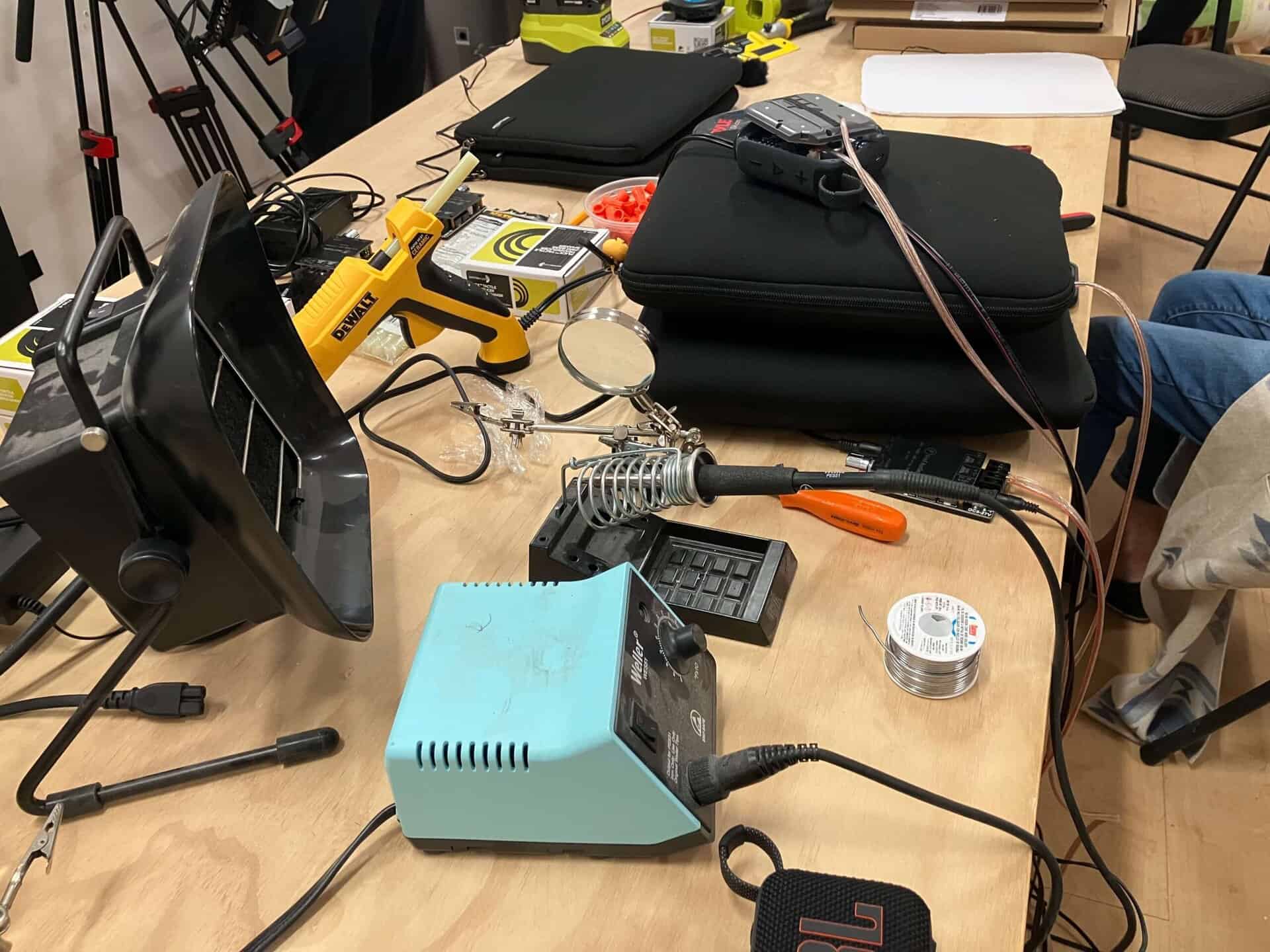
You don’t need a full lab or engineering degree. Collaborate with a technician or audio designer if you’re new to the tech side. Haptic art often thrives on interdisciplinary partnerships. You can start with basic tools like:
- SubPac wearable speakers
- Arduino microcontrollers paired with vibration motors
- DIY tactile transducers mounted to wood or acrylic surfaces
Why It Matters
Haptic technologies make it possible to create multisensory art experiences that reach beyond the limitations of vision and hearing. For artists working with accessibility, inclusion, or embodiment, vibrotactile work is more than a method – it’s a philosophy of connection. As accessibility becomes a standard instead of a bonus, these tools will only become more relevant. The future of contemporary art is tactile, inclusive, and expansive.