From humble grassroots beginnings to a vibrant creative hub – follow the journey of Centre[4]Arts from its early days as a printmakers' association, through its evolution into a leading centre for inclusive and socially engaged art.
![Gallery front with a black sign reading Centre[3] for print and media arts in white and red letters. Glass doors and windows reflect trees and the street, while a striped awning shades the entrance.](https://centre4arts.com/wp-content/uploads/2025/07/Centre3-outside-street-2.jpg)

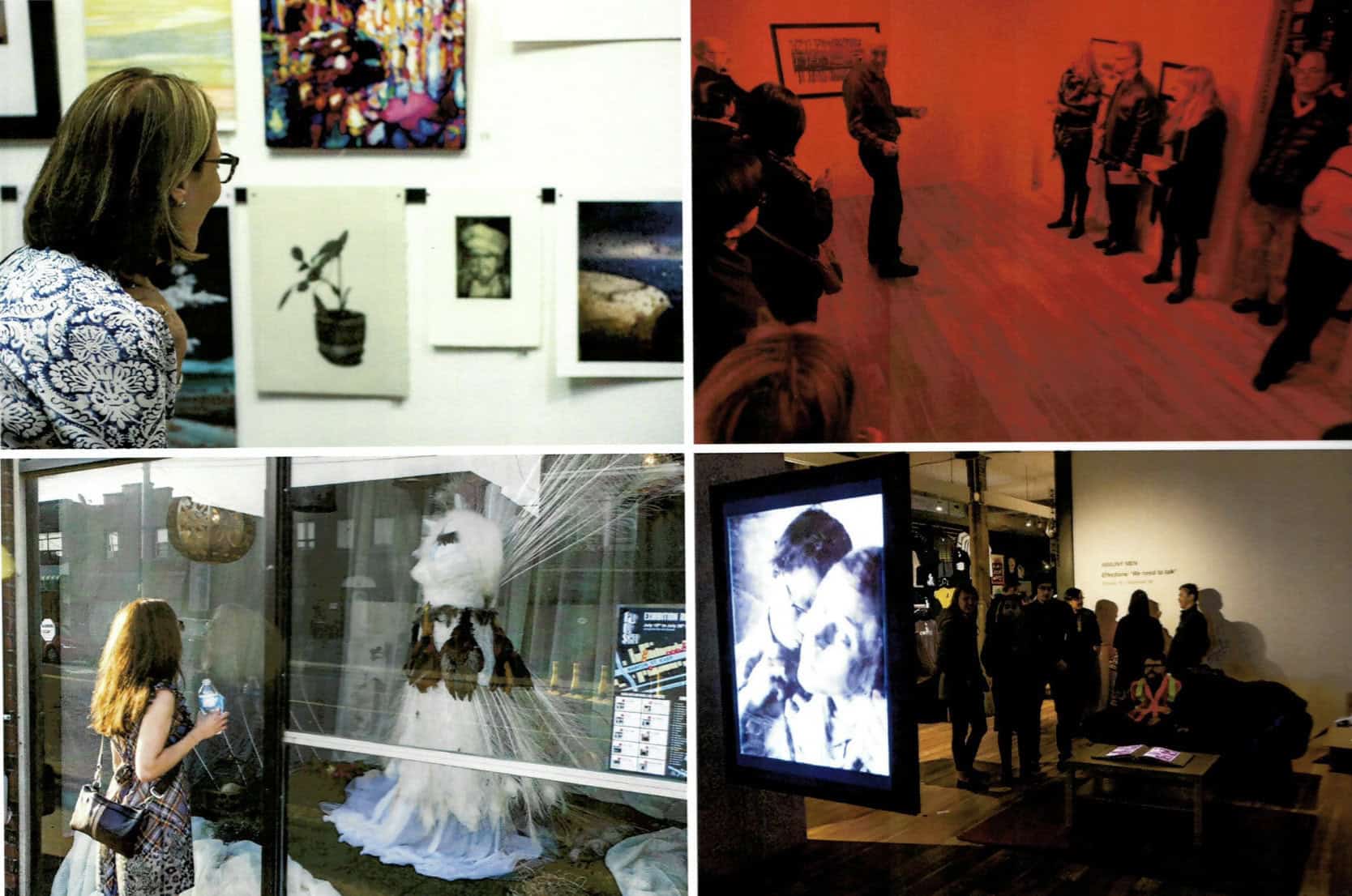
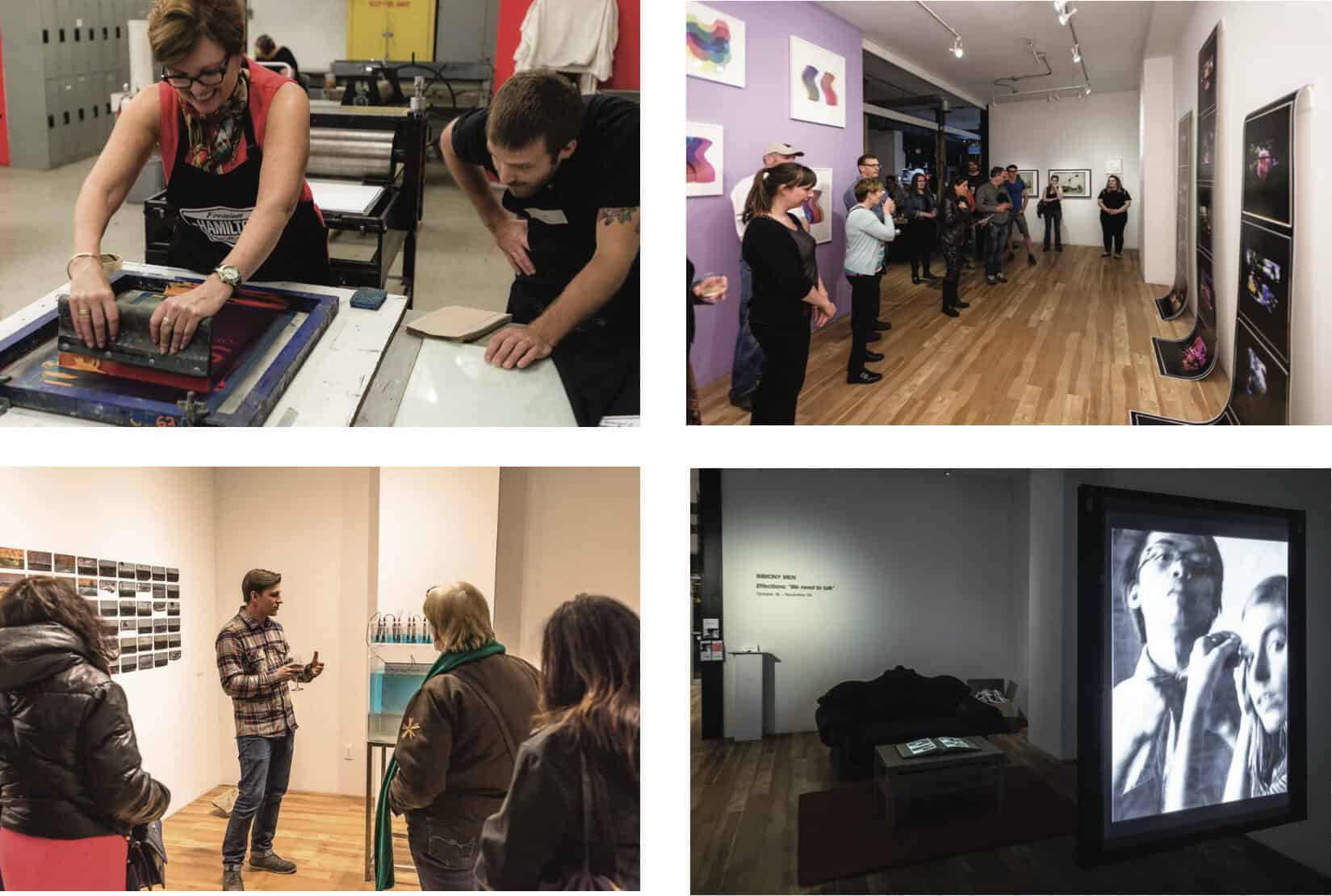
Inspired by the creative vision of co-founders Colina Maxwell and Katherine Zarull, Centre[4]Arts first began as a not-for-profit, artist-run centre in 2004 as the Hamilton Printmakers Arts Association.
Rooted in the belief of the transformative power of the arts, the organization quickly became a cornerstone of Hamilton’s creative community!
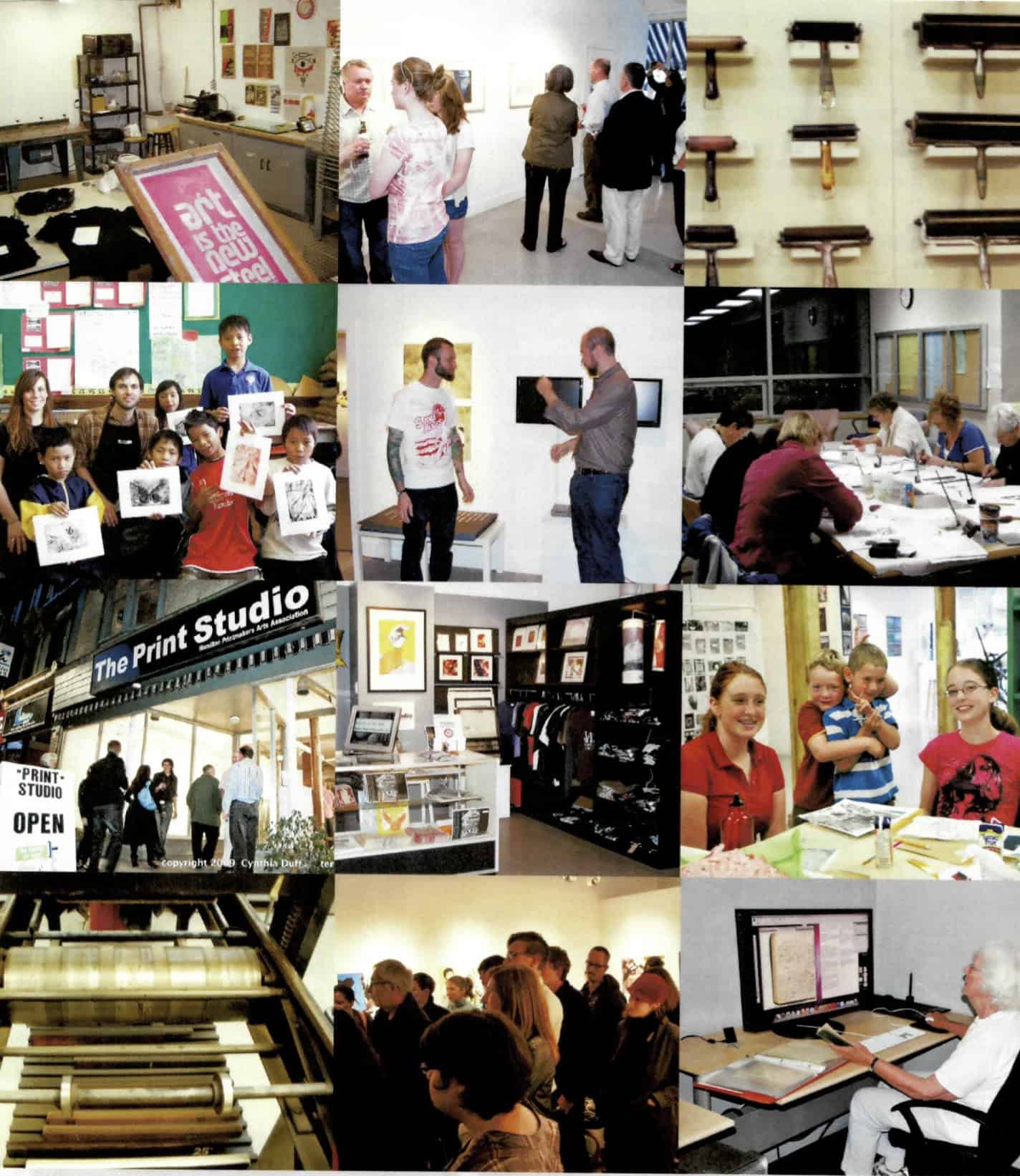
With generous donations and support from community partners, we opened a storefront gallery and traditional printmaking studio in the heart of downtown offering artists professional facilities for relief printing, etching, and lithography.
Soon after, we co-launched the now iconic James Street North Art Crawl arts and music festivals.
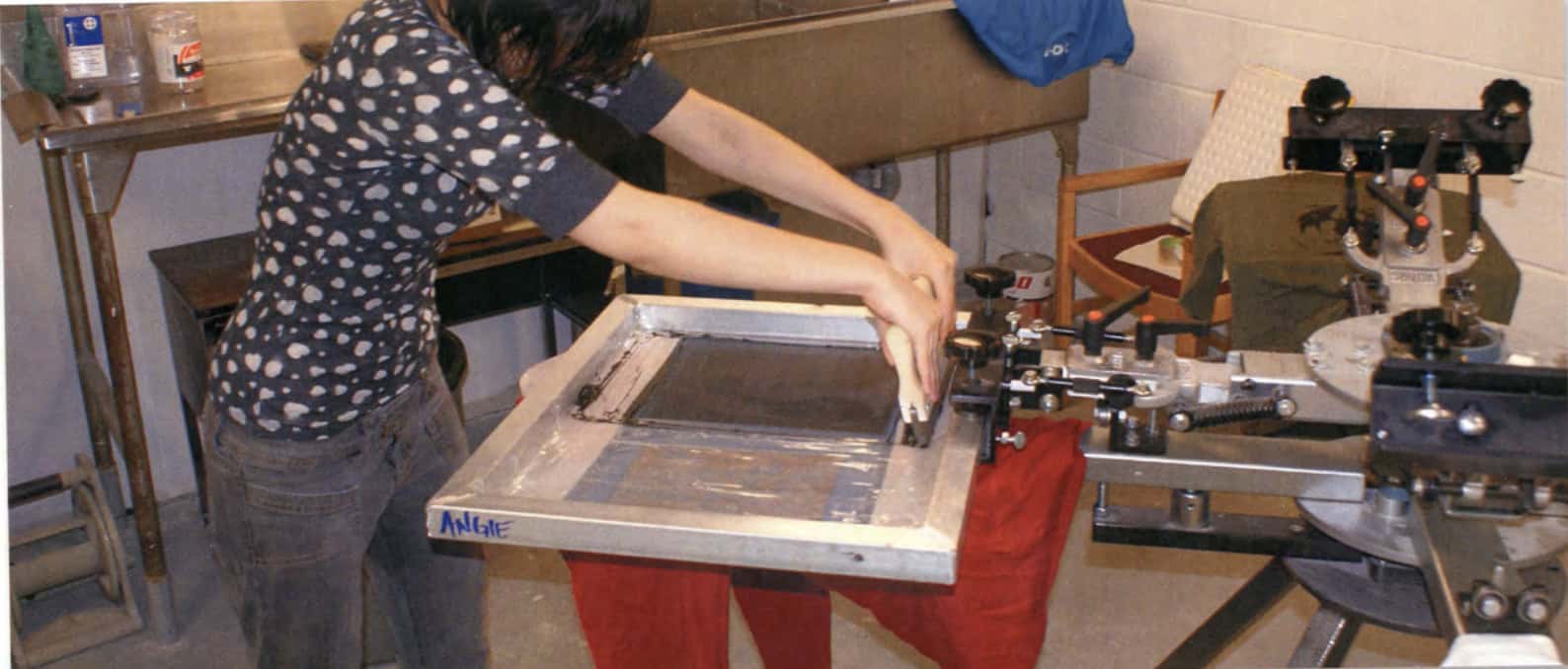
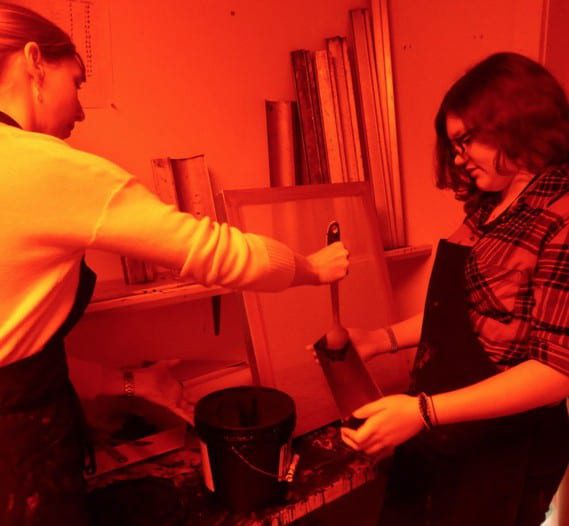
Over the next decade we continued to grow and expand our studio facilities to include state-of-the-art equipment for artists working in screen printing, digital printing and audiovisual media arts production. We simultaneously developed educational programs and found creative ways to serve and enhance our local community through arts-based social practices.
As the years passed we renamed the organization, first as Centre[3] for Print and Media Arts, then Centre[3] for Artistic + Social Practice. We rebranded once more in 2025 to Centre[4]Arts to reflect our evolving offerings and mission.
Centre[4]Arts continues to innovate with the regular deployment of impactful community-driven outreach programs, accessible arts initiatives, and arts-based research projects.
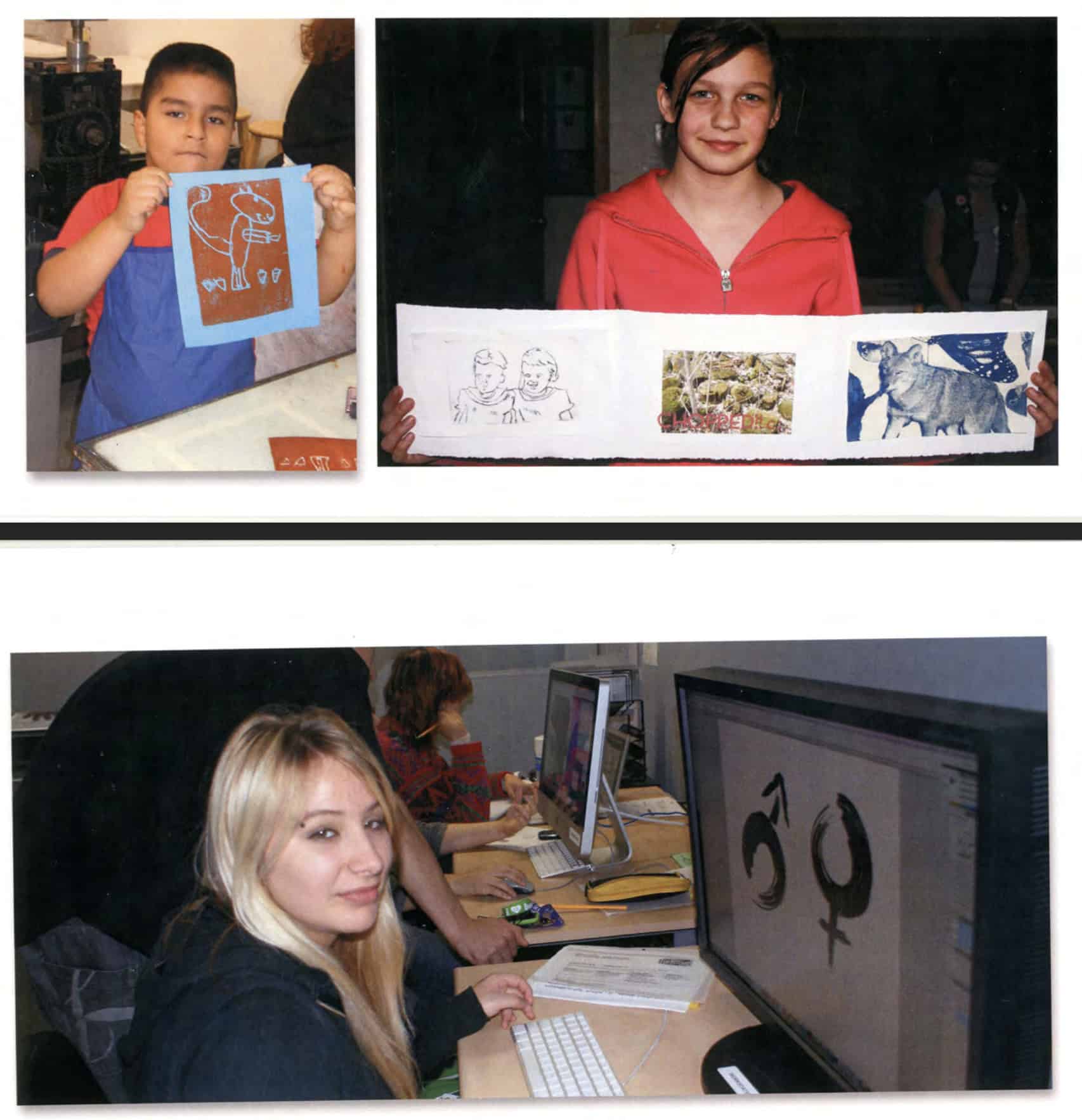
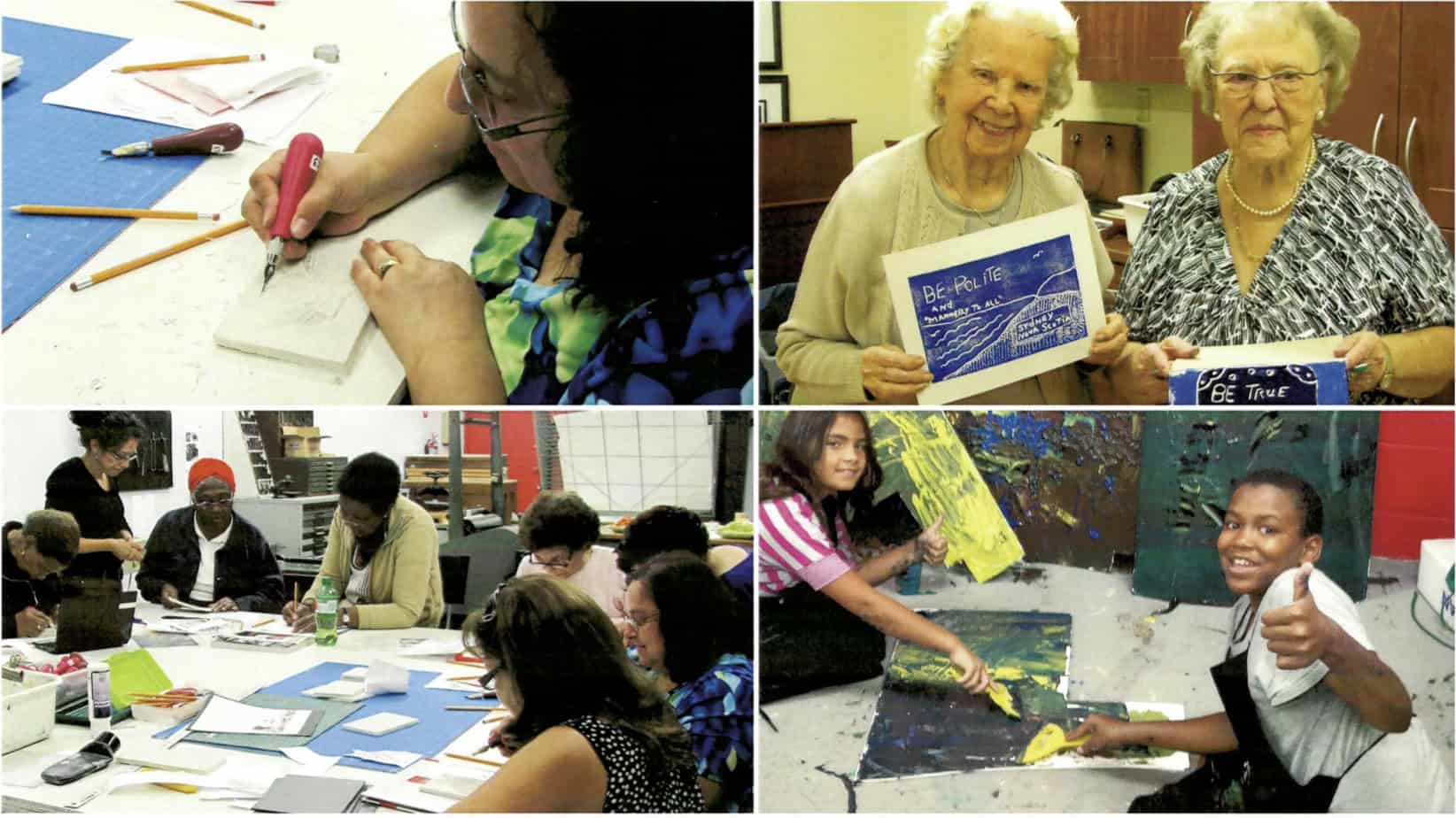
We especially focus our efforts around serving at-risk sectors in our local community, including seniors, youth, individuals with disabilities and mental health challenges, refugees, 2SLGBTQ+ persons, and other marginalized and racialized groups.
In our studio and gallery spaces, we are proud to offer artists the ability to access equipment and education that may otherwise be financially out of reach, as well as access to 1:1 guidance, workshops, professional development opportunities, and much more with our studio memberships.
Today under the forward-thinking leadership of Executive Director Yvonne Felix, Centre[4]Arts continues to lead the way nationally in disability arts, digital media and socially engaged artistic practice, with accessibility and inclusion at the heart of all that we do.
Timeline Of Events
A visual and narrative journey through Centre[4]Arts' enduring commitment to artistic and social practice.
– Opened in 2004 as the Hamilton Printmakers Arts Association.
– Gained charitable status and opened a storefront gallery and print studio with support from the Ontario Trillium Foundation, Turkstra Lumber, Dofasco, Matcom Industrial Installations, and the Threshold School of Building.
– Co-initiated the James Street North Art Crawls in 2006, helping to ignite Hamilton’s arts district.
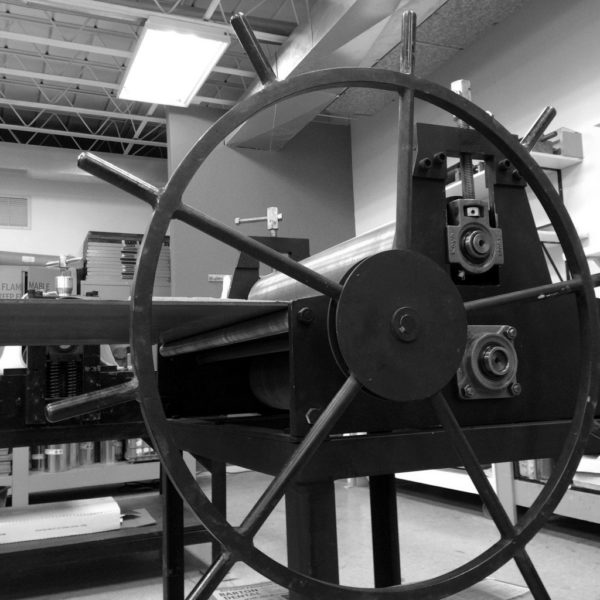
– Added our Screen Printing Studio, then our Digital Printing Studio in partnership with the Hamilton Camera Club.
– By 2010, we introduced a broader overall vision integrating visual arts, education, and community practice.
– Launched NuSteel, our alternative education program, alongside the Hamilton Wentworth District School Board.
– Transitioned from a founder-led to a board-led model.
![A busy Screen Printing Studio at Centre[3] filled with people socializing and working; some are gathered in groups talking, while others are focused on screen printing and preparing art materials at large tables.](https://centre4arts.com/wp-content/uploads/2025/07/Traditional-Printmaking-Studio-grand-opening-1-1024x576.jpg)
– Partnered with Art Forms to assemble our Media Arts Studio.
– Rebranded as Centre[3] for Print and Media Arts to reflect our updated modern studio offerings.
– Launched Function Keys, a four-day conference in Hamilton exploring the intersection of new technology and digital culture.
– With multi-year funding from the Ontario Trillium Foundation secured, we developed NuDeal (later becomine NuSteel), a social enterprise program for marginalized youth.
– Hosted our second Function Keys conference on emerging technology trends in the arts, which continued to grow annually over the following years.
– Launched our first site-specific project Pop Up Shop along Barton Street East during the Pan Am Games in Hamilton.
– Began our first seniors’ programming with Seniors Connect: Life Lessons, linking local artists with older adults in retirement homes through the power of art.
– Developed a Succession Plan with the Board of Directors and staff.
– Began the process of auditing our galleries and studios in partnership with McMaster University, resulting in the formation of an accessibility committee.
– Started multiple programs and initiatives during this time tackling themes of identity, social justice and environment, including:
– Amid the pandemic closures, we pivoted all of our programming online.
– Launched Direct[Message], a four-year research project with McMaster University and Guelph University focused on engaging senior adults with modern digital art and technology as a means of connection.
– Introduced 360[4]Youth, our first youth employment program supported by The Youth Employment and Skills Strategy, providing training and internships for young adults interested in digital media careers.
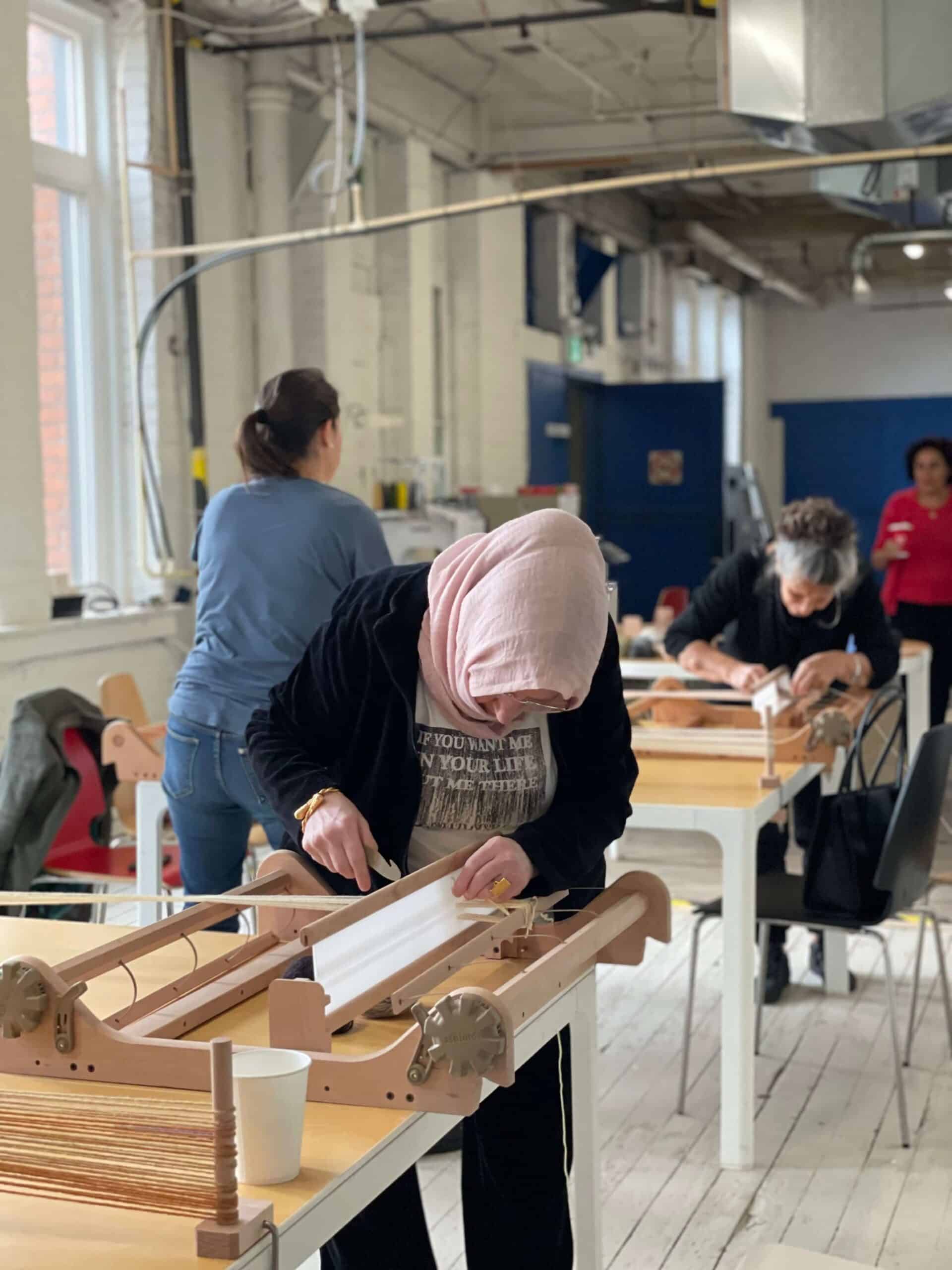
– Began Stitching A Line Thru Media, a multi-year project supported by Canada Council, exploring the intersection of traditional crafts and modern technology.
– Hired Lesley Loksi Chan as our new Artistic Director in 2021
– Secured funding in 2022 from the Ontario Trillium Foundation and the Department of Canadian Heritage to develop a film studio room with an audio booth in our Media Arts Studio
![Rows of colourful iMac computers in Centre[3]'s Digital Lab. The tidy room, with scattered papers at some desks and large windows, is brightened by plants and natural light.](https://centre4arts.com/wp-content/uploads/2025/07/Digital-Computer-Lab.jpg)
– Activated our Succession Plan in 2023 and formed a hiring committee. The following year, Yvonne Felix was hired as Executive Director.
– Launched Centre[4] Art + Research in collaboration with McMaster University
– Secured funding from Employment and Social Development Canada to launch our Digital Pipeline [4] Youth program, aiding youth who face barriers to employment.
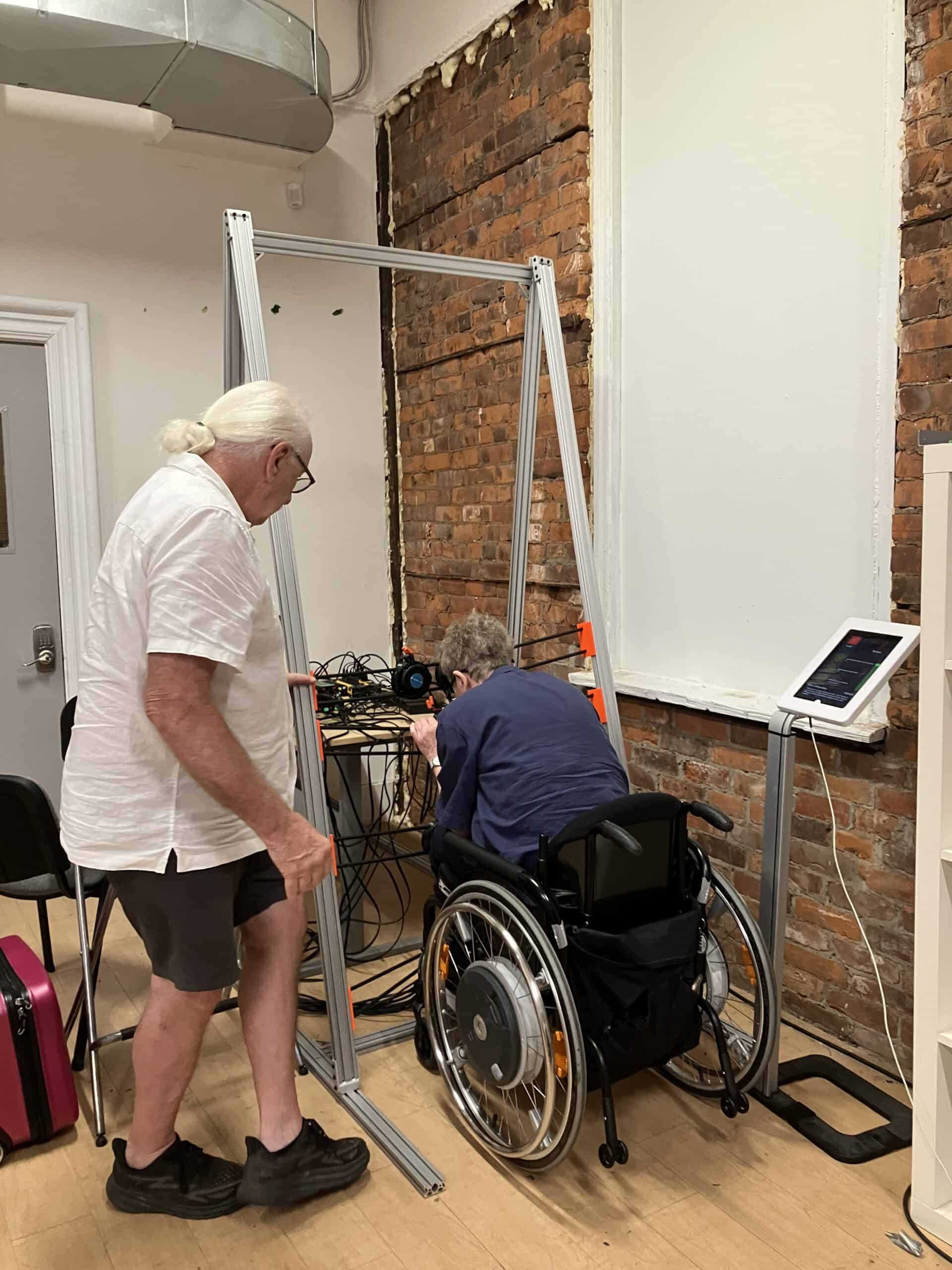
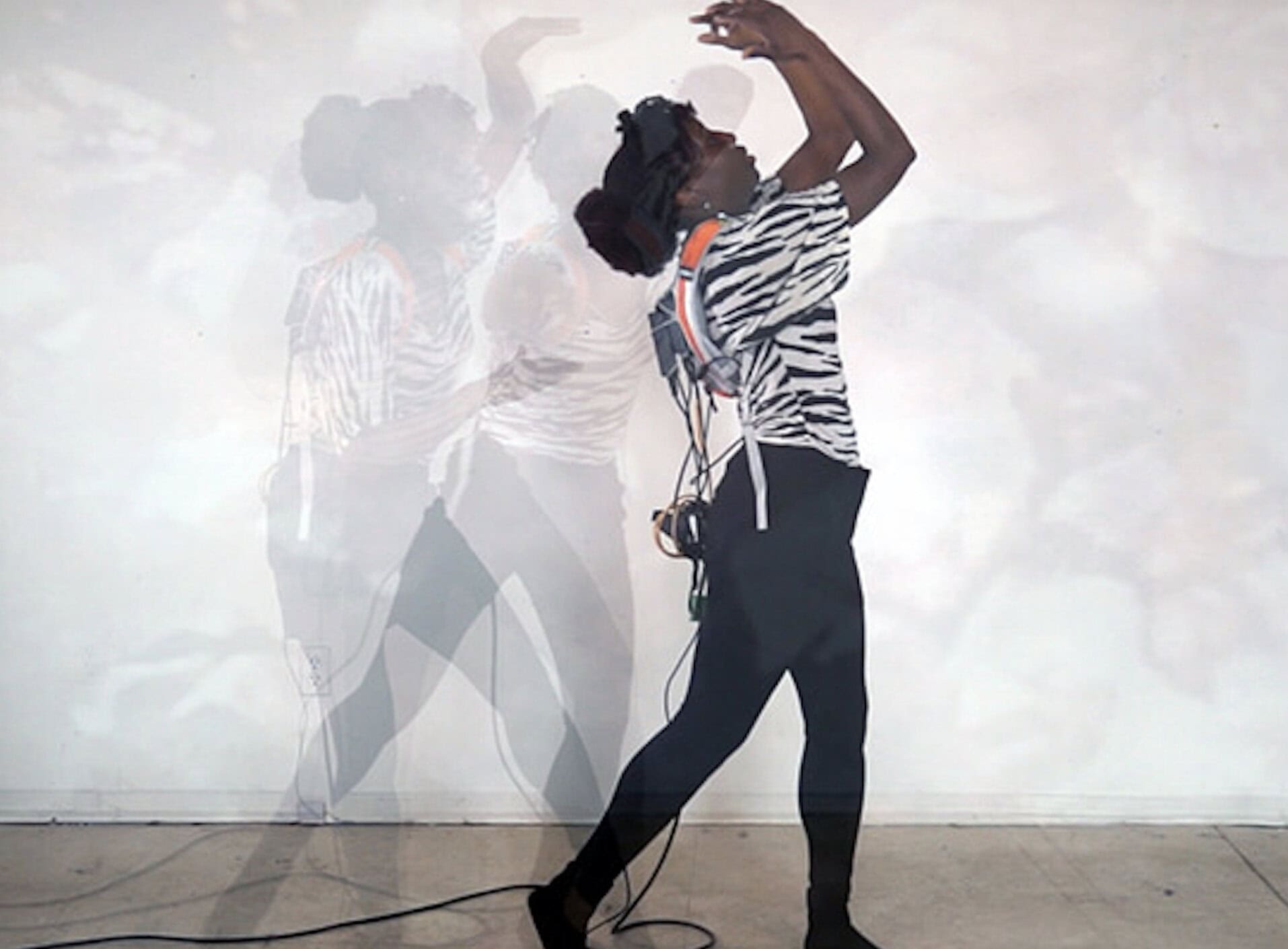
– In partnership with VibraFusionLab and with funding from Canada Council, we launched our first residency program using haptic technology, Haptic Horizons Residency for Deaf and Disabled Artists.
– Partnered with the Sari-Sari Xchange, a groundbreaking initiative that brings together and supports Asian diasporic artists.

– Rebranded as Centre[4]Arts to reflect our developing direction in supporting artists of all abilities in creating meaningful, inclusive, and transformative artistic experiences.
– In partnership with Canada Council, VFL, Martha Street Studio, and Arts AccessAbility Network Manitoba, Centre[4]Arts is conducting the initial research to make galleries more accessible to Deaf and disabled communities.